

How To Clean Up A House After a Fire in Markham
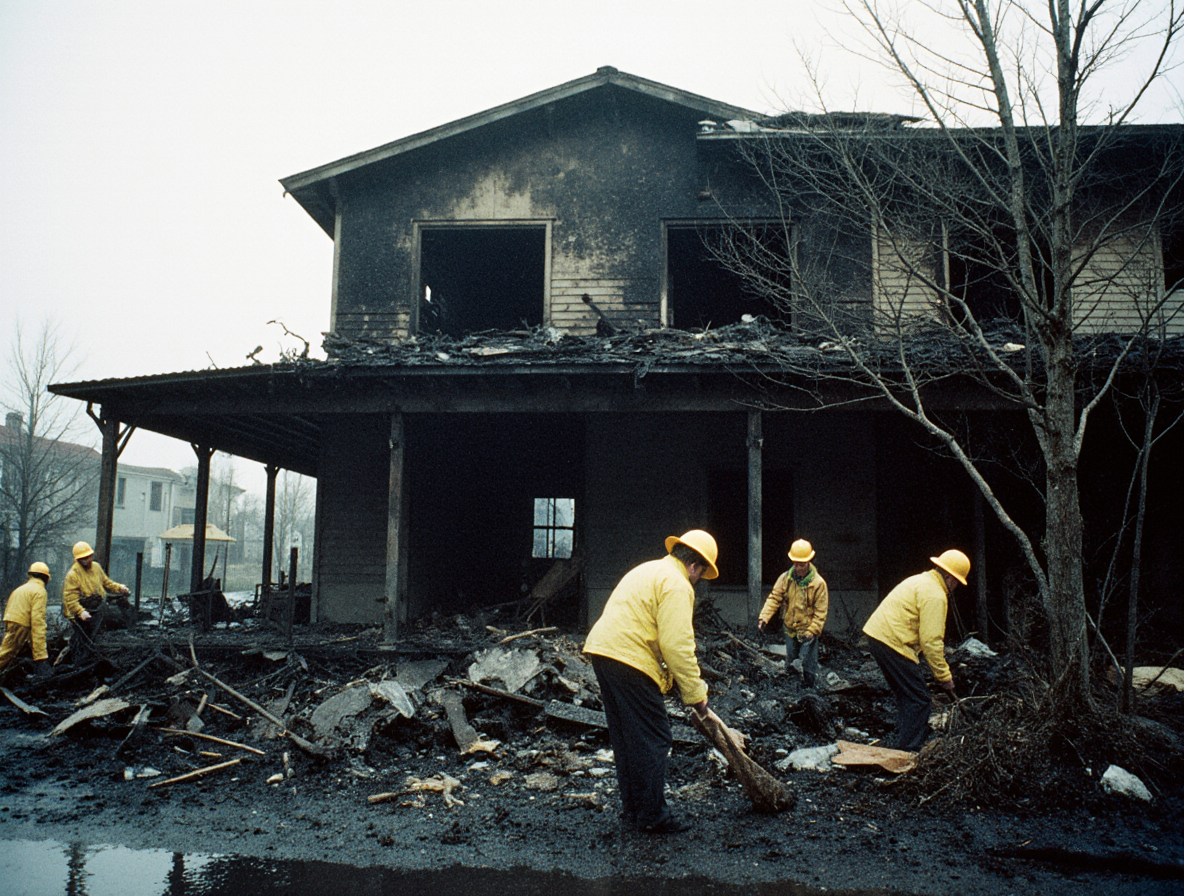
Experiencing a fire in your Markham home is overwhelming, emotional, and deeply disruptive. Within minutes, a place filled with comfort and memories can become a scene of damage, debris, and uncertainty.
But once the fire trucks leave and the flames are out, the real work begins: cleaning, restoring, rebuilding, and ensuring the home is genuinely safe to live in again.
Fire damage is rarely limited to what you can see. Smoke, soot, water from firefighting efforts, and chemical residues from extinguishers all create secondary hazards that must be handled safely and strategically.
Doing this right is critical—not only for your health, but for your insurance claim, your long-term home value, and your peace of mind.
Let’s get right into it!
Understanding Fire Damage in Markham Homes
Fire damage is typically divided into primary and secondary categories, and both require immediate attention.
Primary Fire Damage
This is the direct destruction caused by flames:
- Charred structural framing
- Melted wiring and electronics
- Burned flooring
- Destroyed furniture
- Heat-warped appliances and fixtures
Secondary Fire Damage
Secondary damage often spreads far beyond the fire site. It includes:
- Smoke residue
- Soot contamination
- Lingering odour
- Water damage from firefighting
- Mould growth
- Chemical residue from extinguishers
According to the U.S. Environmental Protection Agency, soot particles are usually 2.5 microns or smaller, meaning they settle deeply into surfaces while remaining airborne long after the fire is out. These particles can irritate lungs, trigger asthma, and worsen allergies.
Smoke residue is highly acidic, and if it remains uncleaned, it can damage electronics, corrode metals, stain walls, deteriorate finishes, and ruin furniture.
Insurance Matters in Markham
Most home insurance policies in Ontario do cover fire damage—but every provider has specific requirements. Before cleanup begins:
- Check your deductible
- Confirm your policy’s limits
- Understand ALE (Additional Living Expenses)
- Review documentation requirements
- Ask if they cover professional restoration services
- Request guidance for inventory and loss lists
A well-organized claim can speed up approvals and reduce disputes.
Safety Precautions Before Entering Your Markham Home
A fire-damaged home can be dangerous, even if the structure looks stable. Before entering:
Essential Safety Steps
✔ Wait for official clearance from Markham Fire & Emergency Services
✔ Wear protective clothing (gloves, steel-toe boots, long sleeves)
✔ Use an N95 respirator or P100 mask
✔ Check ceilings for sagging
✔ Watch for warped or soft floors
✔ Avoid rooms with heavy smoke haze
✔ Stay away from exposed wiring or wet outlets
Health Canada reports that post-fire indoor air may contain high levels of VOCs, benzene, and fine particulates, all of which can cause headaches, irritation, and respiratory issues.
If unsure—do not enter without a professional.

Documenting Fire Damage for Insurance Claims
Before cleaning or moving anything, thoroughly document the damage.
What to Capture
- Wide-angle photos of every room
- Close-ups of damaged belongings
- Smoke stains on walls, ceilings, and vents
- Water-damaged floors and drywall
- Melted electronics
- Damage inside drawers, closets, and cabinets
- Exterior damage (siding, soffits, windows)
- Serial numbers for appliances
- Original receipts for high-value items
Common Mistakes That Delay Claims
✘ Throwing away damaged items too early
✘ Cleaning surfaces before documenting them
✘ Missing hidden areas like attics and storage rooms
✘ Not backing up photos and videos
A complete, organized inventory makes your claim stronger and faster.
Ventilating, Drying, and Dehumidifying the Home
After documenting the damage, your first cleanup task is removing odour and moisture.
Ventilation Steps
- Open windows (weather permitting)
- Use industrial fans
- Run negative air machines
- Install HEPA air scrubbers
Markham firefighters often use large volumes of water, which can soak walls, subfloors, insulation, and belongings. The CDC notes that mould begins growing within 24–48 hours in wet conditions—so drying must start immediately.
Why Dehumidifiers Matter
Professional-grade dehumidifiers:
- Remove moisture deep inside walls
- Prevent mould growth
- Reduce odours
- Minimize long-term structural damage
- Accelerate the entire restoration process
Running air movers and dehumidifiers continuously for several days is standard practice.
Removing Debris and Unsalvageable Materials
Once ventilation begins, it’s time to clear out burned and contaminated materials.
What Typically Gets Removed
- Charred drywall
- Burned furniture
- Melted plastics
- Severely smoke-damaged carpets
- Warped flooring
- Contaminated insulation
- Damaged wiring and fixtures
Porous materials like drywall, insulation, and carpeting absorb smoke deeply and cannot be fully deodorized—removal prevents the return of smoke odour later.
Hazardous materials like aerosol cans, paints, and cleaning chemicals must be disposed of following York Region waste guidelines.
Soot and Smoke Residue Cleanup
Soot is one of the most dangerous post-fire contaminants.
Types of Soot in Markham House Fires
- Dry soot: easy to vacuum
- Wet soot: sticky, thick residue
- Protein soot: common in kitchen fires, invisible but pungent
- Oily soot: smears easily, requires specialized cleaners
Professional Cleanup Techniques
✔ HEPA vacuuming
✔ Fire-specific alkaline cleaners
✔ Dry-cleaning sponges
✔ Chemical sponges for soot removal
✔ Avoiding water unless using approved solutions
Untreated soot can cause permanent staining and long-term corrosion.
Deep Cleaning and Sanitizing All Surfaces
After soot removal, it’s time to address smoke film, chemicals, and bacteria.
Areas That Must Be Cleaned
- Walls, ceilings, and baseboards
- Floors and subfloors
- Windows, trims, and blinds
- Cabinets, counters, and appliances
- Tiles, grout, and stone surfaces
- Fixtures and hardware
- Doors and frames
Household cleaners don’t work against acidic smoke residue. Fire-restoration solutions are designed to neutralize soot and remove odour at the molecular level.
Odour Removal: Professional Techniques Needed in Markham Homes
Smoke odour embeds itself deep into building materials.
Most Effective Odour Removal Methods
Ozone Treatment
Breaks apart odour molecules using oxidizing gas.
Must be done in unoccupied spaces.
Hydroxyl Generators
Safe while people and pets are present.
Breaks down VOCs and smoke molecules.
Thermal Fogging
Recreates smoke penetration to neutralize odour in drywall and framing.
Activated Carbon Filtration
Captures odour-causing particles from the air.
Odour-Sealing Primers
Applied to framing and drywall after cleaning.
For severe Markham home fires, restoration teams often use a combination of these methods.
HVAC and Air Duct Decontamination
Smoke spreads rapidly through HVAC systems, sometimes contaminating rooms far from the fire source.
HVAC Cleanup Includes
- Cleaning air ducts with HEPA tools
- Deodorizing duct interiors
- Replacing filters (recommend MERV 11–13 or HEPA)
- Cleaning the furnace or air handler
- Sealing odour-heavy ducts when needed
If ducts remain uncleaned, smoke odour can return even after full restoration.
Saving Personal Belongings After a Fire
A high-quality restoration company will evaluate what can be saved.
Items Often Salvageable
- Clothing and textiles (ozone + specialized detergents)
- Electronics
- Photos and documents (freeze-drying technology)
- Hard furniture
- Artwork
- Decor and valuables
Many companies provide a contents pack-out, where belongings are inventoried, cleaned offsite, stored securely, and delivered back once the home is ready.
Structural Repairs and Reconstruction in Markham
Once cleanup is complete, the reconstruction phase begins.
Typical Work Includes
- New drywall and insulation
- Framing repairs
- Replacement of electrical wiring
- Flooring replacement
- Roofing or siding repairs
- Painting and refinishing
- New cabinetry and fixtures
Some homeowners choose to upgrade to fire-resistant materials such as:
- Fire-rated drywall
- Non-combustible insulation
- Metal roofing
- Fire-safe window assemblies
How Much Does Fire Damage Restoration Cost in Markham?
Costs vary depending on severity and home size.
Typical Price Ranges in Ontario
- Minor smoke cleanup: $3,000 – $8,000
- Moderate fire & smoke damage: $10,000 – $45,000
- Major structural fire: $50,000 – $200,000+
- Full rebuild: $250,000 – $600,000+
Price Factors
- Square footage
- Type of materials burned
- Level of smoke damage
- Amount of water used
- HVAC contamination
- Contents cleaning
- Reconstruction scope
- Emergency vs. scheduled service
Most Markham homeowners will rely heavily on insurance to cover these costs—so proper documentation is essential.
How to Choose the Right Fire Damage Restoration Company in Markham
Selecting the right company can save months of frustration and tens of thousands of dollars.
What to Look For
✔ IICRC-Certified
✔ 24/7 emergency response
✔ Industrial-grade equipment
✔ Experience with odour and soot removal
✔ Ability to manage insurance claims
✔ Strong Google reviews
✔ Clear estimates and timelines
✔ Contents pack-out services
✔ Licensed trades for reconstruction
Questions to Ask
- How long have you been working in fire restoration?
- Do you work directly with insurance adjusters?
- What odour removal methods do you use?
- Do you guarantee your deodorization work?
- Will you provide a detailed scope of work?
Red Flags
✘ No certification
✘ Vague or verbal-only estimates
✘ Pressure sales tactics
✘ Minimal equipment
✘ Lack of insurance-claim experience
Fire Prevention Tips for Markham Homeowners
Once your home is repaired, prevention becomes the priority.
Electrical & Heating Safety
- Schedule annual electrical inspections
- Replace damaged cords
- Clean dryer vents twice a year
- Maintain HVAC systems annually
- Install AFCI and GFCI breakers
Kitchen Fire Prevention
- Never leave cooking unattended
- Keep flammable items away from the stove
- Install a fire extinguisher in the kitchen
- Turn pot handles inward
General Fire Prevention
- Install interconnected smoke alarms
- Replace alarms every 10 years
- Add carbon monoxide detectors
- Keep fire extinguishers on every floor
- Don’t overload outlets
- Create a home fire escape plan
NFPA statistics show that 3 out of 5 fire deaths occur in homes without working smoke alarms—a simple reminder of the importance of ongoing maintenance.
If You Need Fire Damage Restoration in Markham
If you have questions about how to clean up after a fire or need a professional fire damage restoration company in Markham, call us at (905) 387-9456 or reach out on social media.
FAQs
How soon can I return home after a fire?
Only after professionals confirm structural safety and smoke levels are reduced.
Can I clean smoke damage myself?
Mild smoke damage can be DIY. Heavy soot needs professional equipment and chemistry.
Is smoke residue dangerous?
Yes. Soot contains carcinogens and toxic compounds that can harm your health.
Why does my home still smell like smoke weeks later?
Smoke embeds into insulation, drywall, and ductwork. It requires specialized treatment.
How long does restoration take?
Anywhere from a few days to several weeks.
Does insurance cover fire cleanup?
Most Ontario home insurance policies include coverage for fire restoration.
Can furniture be saved?
Many items—especially solid wood and metal—can be restored.
What should I do with food after a fire?
Throw it out. Heat, chemicals, and soot can make it unsafe.
Is fire extinguisher residue harmful?
Some agents irritate skin and lungs. Cleaning must be performed properly.
How do professionals remove odour?
Through ozone, hydroxyl generators, fogging, HEPA scrubbing, and sealing primers.