


Emergency Flood Cleanup Markham: What To Do In The First 60 Minutes
By: AGC Construction
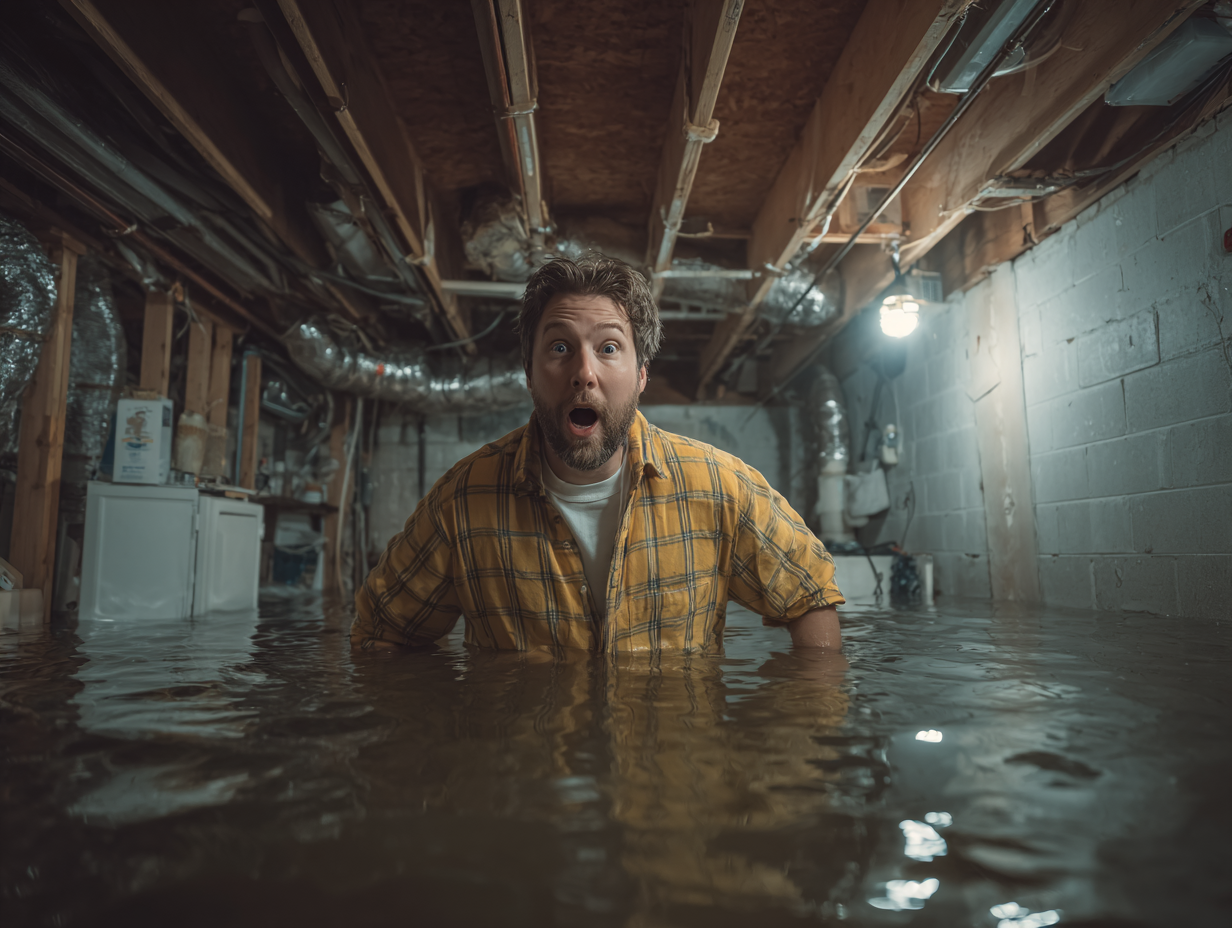
If you’ve just walked into a flooded basement in Markham, your brain is probably doing parkour.
The good news: you don’t need to solve everything today. You just need to win the first hour.
That first 60 minutes is where you prevent the big three: structural damage, mould growth, and an insurance claim that turns into a paperwork nightmare.
Flooding is no longer a rare fluke.
In Canada, flooding is widely recognized as the most common and costly natural disaster, with insured losses reaching record levels in recent years.
Ontario has also seen trends toward heavier precipitation, increasing the likelihood of basement flooding and sewer overloads. Acting quickly matters.
Below is a clear, practical plan for what to do in the first hour after a flood.
Know your water type before you touch anything
Before you start cleanup, identify what kind of water you are dealing with.
Clean water usually comes from a supply line, hot water tank, or fresh plumbing leak. It poses the lowest risk initially but becomes unsafe if it sits.
Grey water comes from appliances such as washing machines or sinks and can contain bacteria.
Black water is sewage or water mixed with sewage. This is a health hazard and should not be handled without professional equipment and disinfection.
If the water smells unpleasant, looks cloudy, contains debris, or is backing up from a drain, assume it is contaminated.
Minute 0–5: Make it safe first
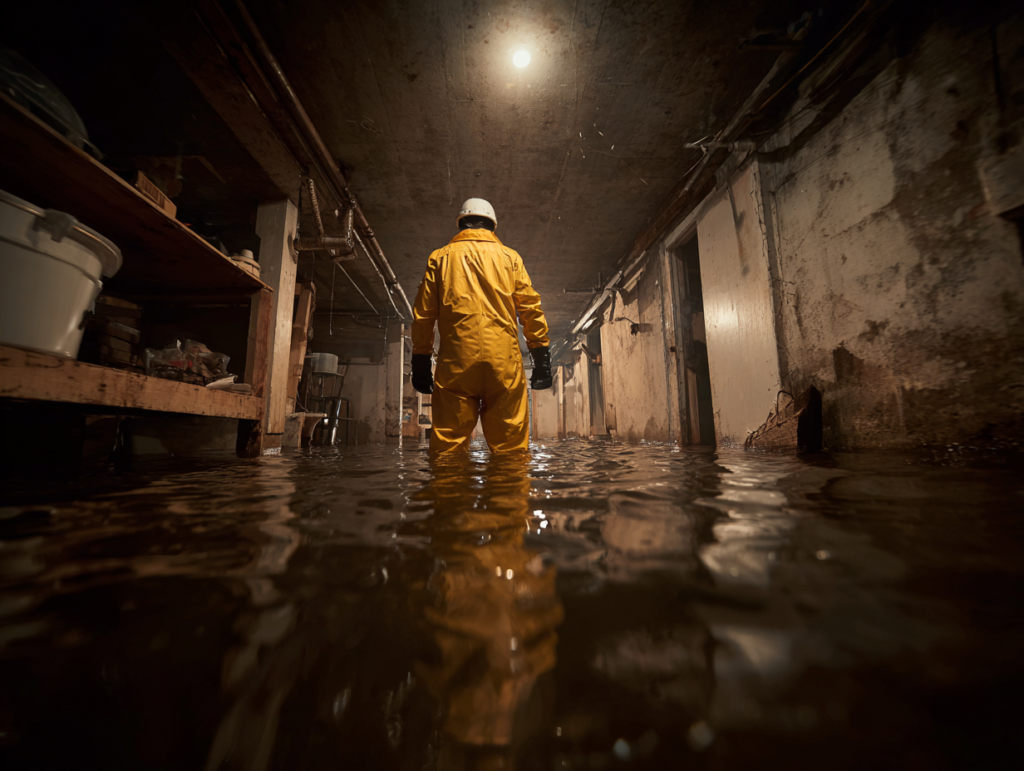
Safety comes before cleanup.
If water is near outlets, appliances, or extension cords, shut off power at the breaker panel if it can be reached safely without stepping into water. If you would need to walk through water to access the panel, do not attempt it.
If your furnace, water heater, or gas appliances were exposed to water, do not turn them on. Water-damaged equipment can pose serious safety risks.
Keep children and pets out of the affected area. Floodwater is slippery and often contaminated, with hidden hazards such as nails or broken glass.
If possible, open windows or doors to improve ventilation.
Minute 5–15: Stop the water and contain the spread
Your next priority is stopping the source of water and limiting where it travels.
If the flooding is caused by a burst pipe or plumbing failure, shut off the main water valve or the closest localized shut-off.
If the water is coming from heavy rain or groundwater, check whether your sump pump is running. Power outages are a common reason sump pumps fail unless there is battery backup.
Inspect window wells and ensure downspouts are directing water away from the foundation.
Use towels or absorbent materials to slow the spread and protect finished areas until the source is under control.
Minute 15–30: Protect high-value items
You cannot save everything, so prioritize what matters most.
Move electronics, documents, photos, and sentimental items to a dry area. Lift furniture legs using wood blocks or aluminum foil to prevent further absorption.
Avoid dragging furniture across wet flooring, which can cause additional damage.
If sewage contamination is suspected or the floor feels unstable, do not move items. Health and structural safety come first.
Minute 30–45: Start water removal the right way
Removing standing water quickly reduces long-term damage.
Wet/dry vacuums work for shallow water. Utility pumps are far more effective for deeper flooding. Mopping should only be done after most of the water has been removed.
Avoid running fans on soaked carpets before extraction, as this can push moisture deeper into materials.
Hidden moisture behind walls, under flooring, and inside insulation is often where the worst damage occurs.
If safe to do so, remove saturated area rugs and begin drying them immediately.
Minute 45–60: Start drying and prevent mould
This is where flood cleanup becomes mould prevention.
Mould can begin developing within 24 to 48 hours under damp conditions. Early drying dramatically reduces this risk.
Increase airflow by opening doors and using fans where safe. Run dehumidifiers to reduce moisture in the air.
Warm air helps dehumidifiers work more efficiently, but avoid using heaters in wet areas unless safety is confirmed.
Materials such as wet drywall, insulation, and MDF baseboards often need to be removed if they remain saturated. Professional assessment is recommended to determine what can be saved.
Common causes of basement flooding in Markham
Flooding in Markham homes commonly results from intense rainfall overwhelming municipal systems, sewer backups, sump pump failures, burst pipes during winter, foundation cracks, and poorly draining window wells.
The City of Markham notes that heavy rainfall and rapid snowmelt can overload drainage systems, particularly in older neighbourhoods.
When to call a 24/7 emergency flood cleanup team
Professional help is strongly recommended if sewage is involved, water reached electrical systems, the basement is finished, or standing water exceeds a few centimetres.
Emergency flood cleanup professionals use moisture mapping, commercial extraction equipment, controlled drying systems, and proper sanitization to prevent hidden damage and mould growth.
What a proper professional drying process looks like
Effective flood cleanup follows a clear process: water extraction first, controlled air movement and dehumidification next, ongoing moisture monitoring, and appropriate cleaning and sanitization.
Drying is complete only when moisture levels in materials return to safe standards, not when surfaces simply look dry.
Insurance claims: how to protect your coverage
Contact your insurer as soon as possible. Document the damage thoroughly with photos and video before discarding items. Keep receipts for emergency purchases and maintain an itemized list of damaged belongings.
Delays and poor documentation can complicate claims, especially during widespread storm events when insurers and contractors are overwhelmed.
City of Markham flood prevention programs and upgrades
Markham provides guidance on basement flooding prevention and offers rebate programs for eligible protective devices such as backwater valves and sump pump improvements.
Long-term prevention measures include improving grading, extending downspouts, installing window well covers, and maintaining sump pump systems with battery backup.
Why the first hour matters
Floodwater spreads quickly into building materials. Delayed action increases mould risk, structural damage, and cleanup costs. With severe weather events becoming more frequent in Ontario, preparation and rapid response are critical.
Frequently asked questions
How much does emergency flood cleanup cost in Markham?
Costs vary depending on water type, affected area size, and whether the basement is finished. Sewage cleanup typically costs more due to required sanitization.
How fast should drying begin after a flood?
Drying should begin immediately after water removal. Early drying helps prevent mould growth and structural damage.
Can household fans and dehumidifiers replace professional equipment?
They may help with very minor clean-water incidents, but they often cannot remove moisture trapped inside walls or floors.
What if the water came from a sewer backup?
Avoid contact and professional cleanup is strongly recommended due to health risks.
Will insurance cover flood cleanup?
Coverage depends on the source of the water and your policy endorsements. Always confirm with your insurer.
What should I photograph for insurance purposes?
Take wide shots and close-ups of damage, water lines, and the suspected source of flooding.
Can wet drywall be saved?
Sometimes, but often removal is safer if the drywall is saturated or contaminated.
How long does professional drying take?
Drying typically takes several days, depending on materials, humidity, and extent of damage.
How can I prevent basement flooding in Markham?
Maintain drainage systems, service sump pumps, improve grading, and consider backwater valves and battery backups.
Is it safe to stay in the home during cleanup?
For small clean-water incidents, often yes. For sewage or extensive damage, temporary relocation may be safer.